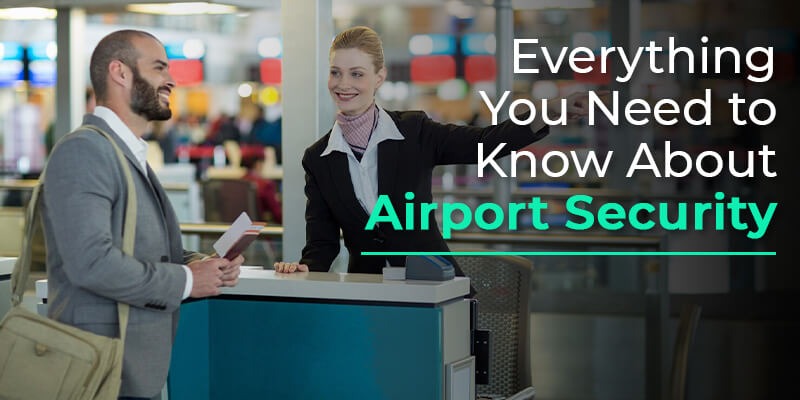
Missing a flight is indeed one of the worst things that can happen to you. This can happen for any reason, such as late arrivals, long queues, or airport security. Most people miss their flights due to the time-consuming procedures at security checkpoints. There is a reason travelers are advised to follow a specific arrival window: at least 2 hours for domestic flights and 4 hours for international flights.
Simultaneously, what you bring to the airport, whether in your checked luggage or carry-on bags, can significantly affect the time you spend in security screening. It is better to be prepared for everything. Everyone should pack their bags wisely, knowing what to bring and what to avoid. Do not bring excess baggage. Similarly, do not bring anything that could cause trouble or that does not comply with TSA regulations.
Do you want to know more about security checks at the airport? This blog is for you. The blog covers everything you need to know about airport security. From the security screening procedure to tips for handling security, we have everything you need to know. Read to find out everything.
Full-Body Scanning
Full-body scanning is an important procedure conducted by airport security to inspect travelers for illegal or threatening items. You have to stand inside a large plastic tube with your hand in the air. Usually, the full body scanners are used to detect any contraband items or weapons, explosives, and drugs hidden inside multiple layers of clothes. TSA uses several types of airport body scanners, but the millimeter-wave scanner is the most commonly used.
The scanner detects contraband or threatening items by emitting a specialized electromagnetic wave. So if anyone is carrying any drugs, guns, knives, explosives, or other weapons strapped to their bodies, the machine will detect them. Feeling a little terrified or disheartened when passing through electromagnetic waves is quite natural. But there is nothing to worry about. Full-body scanning is a routine procedure and absolutely safe. Airport security conducts this to ensure scans are accurate, compared to pat-down searches.
Restrictions on Liquids in Carry-On Bags
The TSA has strict regulations on carrying any liquids in carry-on bags. Every individual must comply with the 3-1-1 rule to pass through airport security screening. When carrying any liquid, gel, aerosol, cream, paste, or other item in your carry-on bags, it must be within the 3.4 oz (100 ml) limit. According to this rule, anything you can drink, pour, spread, or spill should not exceed 100ml per container.
During the TSA security screening, you must remove any liquids from your carry-on bags. Also, you should keep the liquids in one transparent, resealable plastic bag that can hold up to 1 litre. This will make the screening process easy and prompt at the security gate. Sometimes, the procedure can take time because people do not comply with the regulations and pack more than the permissible limit. As a result, the TSA takes these items at the security gate and does not allow the traveler to proceed.
Tips For Handling Airport Security
To make sure you pass the airport security screening on time, you must ensure a few things. There are countless tips that can help you with that. From arriving early to keeping patience, everything is necessary. These tips can help you make things easier and less chaotic from your end. The following are some essential tips for handling security screening smoothly:
Plan Early Airport Arrival
Stress and anxiety hit another level when you have a flight to catch! Catching a flight is a true hustle as you have to deal with so many things. Booking a ride, traffic, airport crowds, security gates, and so many things can add time to your arrival. Instead of running late to the airport, you should prepare for your day in advance. Sometimes, airports face massive crowds, which result in long queues and a lot of waiting for your turn in the security line.
Arriving late at the airport can even result in missing a flight if you are stuck at security. So, you must plan early airport arrivals. It is better to arrive at the airport 2 hours before your domestic flight. Similarly, if you are traveling internationally, you should arrive at the airport at least 4 hours before your departure. This way, you will be able to pass the security gates, baggage check, and boarding gate on time.
Understand What You Can Carry to the Airport
Before rushing to the airport, you have to pack your luggage, which is crucial. The ideal way to pack your bags is to avoid carrying anything that could delay your airport security check. Make sure your belongings in both carry-on bags and checked luggage comply with the TSA regulations. Here’s what you should understand when carrying things to the airport:
Solid Foods
You can carry solid foods on board. You can bring homemade food, but make sure it is soft and dry. You can bring sandwiches, fruits, chips, cookies, and more in your carry-on bags. Any spreads or jams will be considered liquid food, so they must comply with the regulations for carrying liquids.
Liquids
You can carry liquids, aerosols, and gels in leak-proof bottles or containers, and keep them in your carry-on bags. The TSA regulations specify that you cannot carry more than 100ml of liquid per container. During the security checks, you must keep the liquids in one re-sealable plastic bag that can hold up to 1 litre.
Medications
The TSA allows travelers to carry medication in both carry-on bags and checked luggage. Carry a valid prescription suggesting that they are medically advised to consume them. When carrying any controlled medicines, you must carry the prescription and declare to the airport authorities that you are carrying medicines.
Electronics
Electronic devices such as laptops, tablets, and other devices are allowed on board. However, the authorities will move the gadgets to a separate tray for X-ray screening. Electronic devices can go through multiple security screenings to ensure they are safe to carry forward.
Wear Comfortable Clothes
Airport travel can be overwhelming, and your body tends to produce a lot of heat when running from one place to another. To bear with that pressure, you must ensure that you are dressed appropriately. Wear comfortable, breathable clothes that do not restrict movement or running. Also, pay attention to your footwear. Avoid heels or slippery shoes, as you may fall while running to the boarding gates. In addition, do not overdress or over-accessorize yourself, as during security checks you need to remove your accessories at airport security gates. The more clothes or accessories you wear, the longer it will take for you to clear the process. So wear comfortable clothes and footwear.
Understand Airport Security Checks
Going through airport security is time-consuming. Depending on the crowds, the queue at the security check can vary. To make things smooth, you must understand the step-by-step process of airport security. This will help you find out what you have to deal with and how you are going to ace that.
Check-In
Once you arrive at the airport, you need to go to the airline’s counter you are traveling with to check in. You can leave the checked luggage there. Then, show your ID to collect your boarding pass.
Security Check
At the security check gate, you need ot show your ID and boarding pass. After that, the TSA will make you go through security screenings. In this procedure, your carry-on bags, electronic devices, and personal belongings will be screened by machines to ensure you aren’t carrying any items that don’t comply with their regulations or are illegal.
Airport Body Scanners & Metal Detectors
Once your personal items have passed through security screening, it is time for your full-body scan. The machines will check for metals; if any are detected, you can go for another screening. Hearing an alarm trigger is not always dangerous. In some cases, a zipper or metal buttons can trigger the alarm.
Patiently Cooperate with Security Check Procedures
Peak hours can make airport security routine strict and frustrating. But these kinds of security procedures are quite common, and security deals with such situations almost every day. But you should not feel anxious or annoyed due to this. Try to cooperate patiently with the security screenings.
Ensure that you are organized on your end and carrying only appropriate things. Doing so will help you pass through security checks promptly. But if you carry items that don’t comply with TSA regulations, be ready for multiple rounds of screenings, as security is doing its job to ensure everyone’s safety.
In some cases, the airport security may choose you for random checks, even if you comply with the regulations. For that reason, the security is not legally bound to provide you with any justification. So do not lose patience, just go through with the security checks calmly.
The Bottom Line
In the end, you should know that airport security can be chaotic, but it is for everyone’s safety. Hope you have found everything you needed to know about security checks. Security screening is a time-consuming procedure. So to avoid missing your flight, plan early airport arrivals. Leave early enough before your departure time to ensure you are on time for security checks and other formalities. You must comply with the TSA regulations and do your part to ensure things go smoothly. Pack your bags wisely and declare any medications you are carrying to the airport authorities.
Furthermore, you can carry food in both checked luggage and carry-on bags, but they must comply with the regulations. When carrying any liquids or electronics, be prepared for multiple screenings at the security gates. Lastly, airport checks can take quite some time. So you must not lose patience. Try to cooperate with the security authorities and be prepared for long queues during peak hours. If these tips were helpful to you, do not forget to consider them when you are traveling.